


TLDR — 9 Differences, 90 Seconds
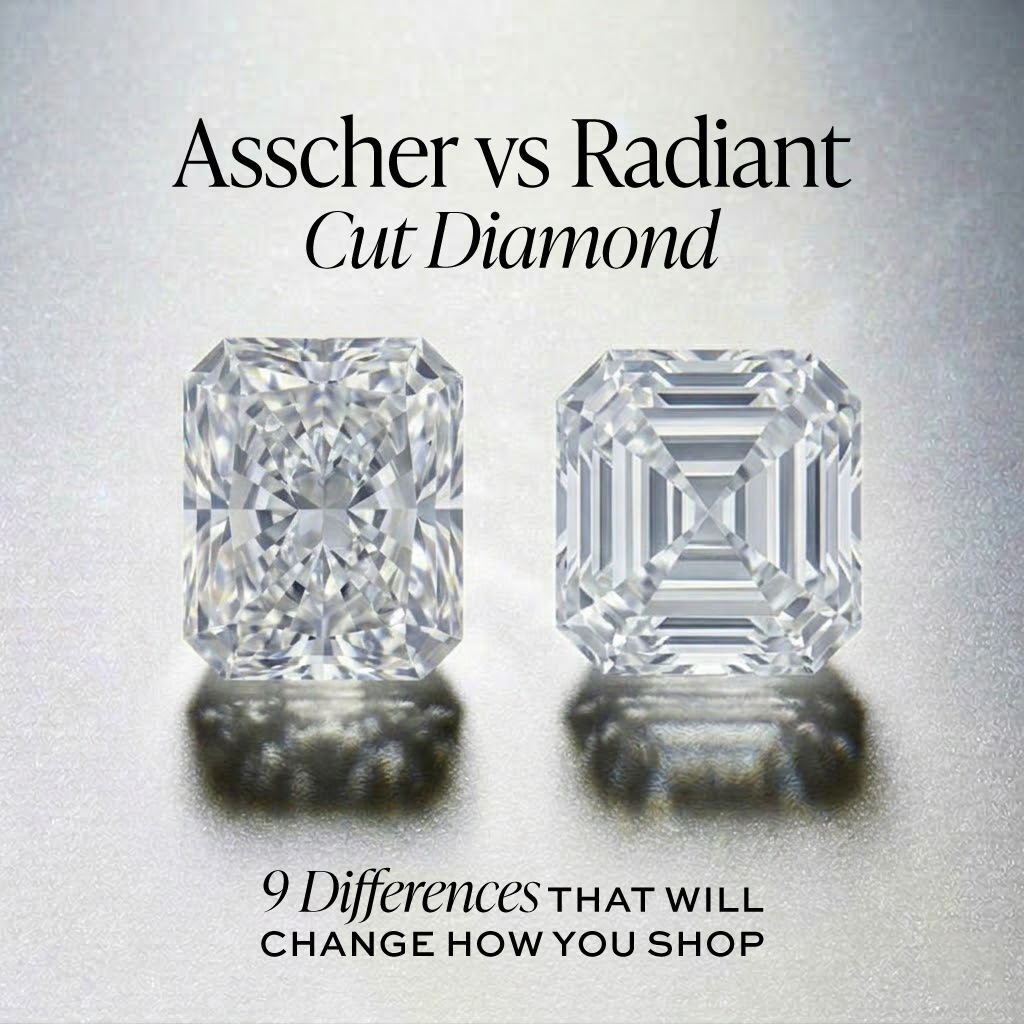
- Difference 1 — Facet philosophy: Asscher is step-cut (57 facets, “hall of mirrors”). Radiant is brilliant-cut (70 facets, white-light sparkle). Opposite visual personalities.
- Difference 2 — The clarity tax: Asscher needs VS1 minimum — step-cut facets are transparent windows. Radiant is fine at SI1 — brilliant facets hide inclusions. This single rule adds $1,000–$3,000 to asscher ownership.
- Difference 3 — Face-up size: A 1ct asscher measures ~5.5mm x 5.5mm. A 1ct radiant measures ~6.5mm x 5.5mm. Radiant faces up meaningfully larger per carat.
- Difference 4 — Price at 1ct natural: Asscher from $2,290 (E-VS2). Radiant from $3,000 (F-VVS2). Asscher appears cheaper — but at VS1 clarity minimum, asscher reaches $4,090–$5,110. Radiant at SI1 stays at $3,000–$3,590.
- Difference 5 — Rarity: Asscher cuts represent ~0.3% of diamond market share in 2026. Radiant cuts represent approximately 3–5%. Asscher is genuinely rare — which drives both its premium pricing and its collector appeal.
- Difference 6 — Color behavior: Both need G minimum in white metal. But radiant cuts are used for fancy colored diamonds specifically because they intensify color. Asscher’s large transparent table shows body color more uniformly — H color in platinum will show warmth.
- Difference 7 — Lab-grown: IGI 1.84ct D-IF asscher lab at $4,520. No direct radiant lab equivalent at this spec — radiant labs start at the 1.8–2ct tier at $3,880–$4,170 for E-IF/D-IF. Lab removes the natural rarity premium but keeps the clarity mandate for asscher.
- Difference 8 — Popularity trend: Asscher is experiencing an Art Deco/vintage comeback in 2026 — Taylor Swift wears an asscher cut. Radiant is trending upward as a contemporary choice.
- Difference 9 — The “windmill” pattern: A well-cut asscher shows a distinctive concentric-square “windmill” optical pattern. A poorly cut asscher loses this pattern and looks cloudy. The video audit is mandatory for asscher — more so than for radiant.
Deal Alert: Mother’s Day Sale Up To 30% Off* select fine jewelry at Blue Nile.
New Collection: Shop the James Allen Collection at Blue Nile.
Vault Sale: “Clear The Vault” – Get up to 70% OFF at Blue Nile!
Flash Sale: Save up to 40% OFF sitewide at Rare Carat.
Exclusive: Get up to 60% OFF select fine jewelry at Ritani.
A GIA 1.01-carat E-VS2 Ideal asscher diamond at Blue Nile costs $2,290. A GIA 1.06-carat F-VVS2 Ideal radiant costs $3,000. The asscher looks cheaper — but by the time you apply the clarity rules that each shape demands, the price gap inverts. This is the asscher cut vs radiant cut diamond comparison that every buying guide oversimplifies.
The asscher cut holds approximately 0.3% market share in 2026. The radiant cut is surging as one of the fastest-growing fancy shapes globally. One produces a hypnotic “hall of mirrors” effect through step-cut geometry patented in 1902.
The other produces brilliant white-light sparkle through 70 facets engineered specifically to maximize light return in a rectangular silhouette.
They appeal to fundamentally different buyers — and they have fundamentally different clarity requirements, face-up sizes, color rules, and setting mandates.
This guide covers all nine differences with live price data, PAA question answers, celebrity context, and a final verdict based on your specific situation.
Diamond IQ Test: Natural or Lab-Grown?
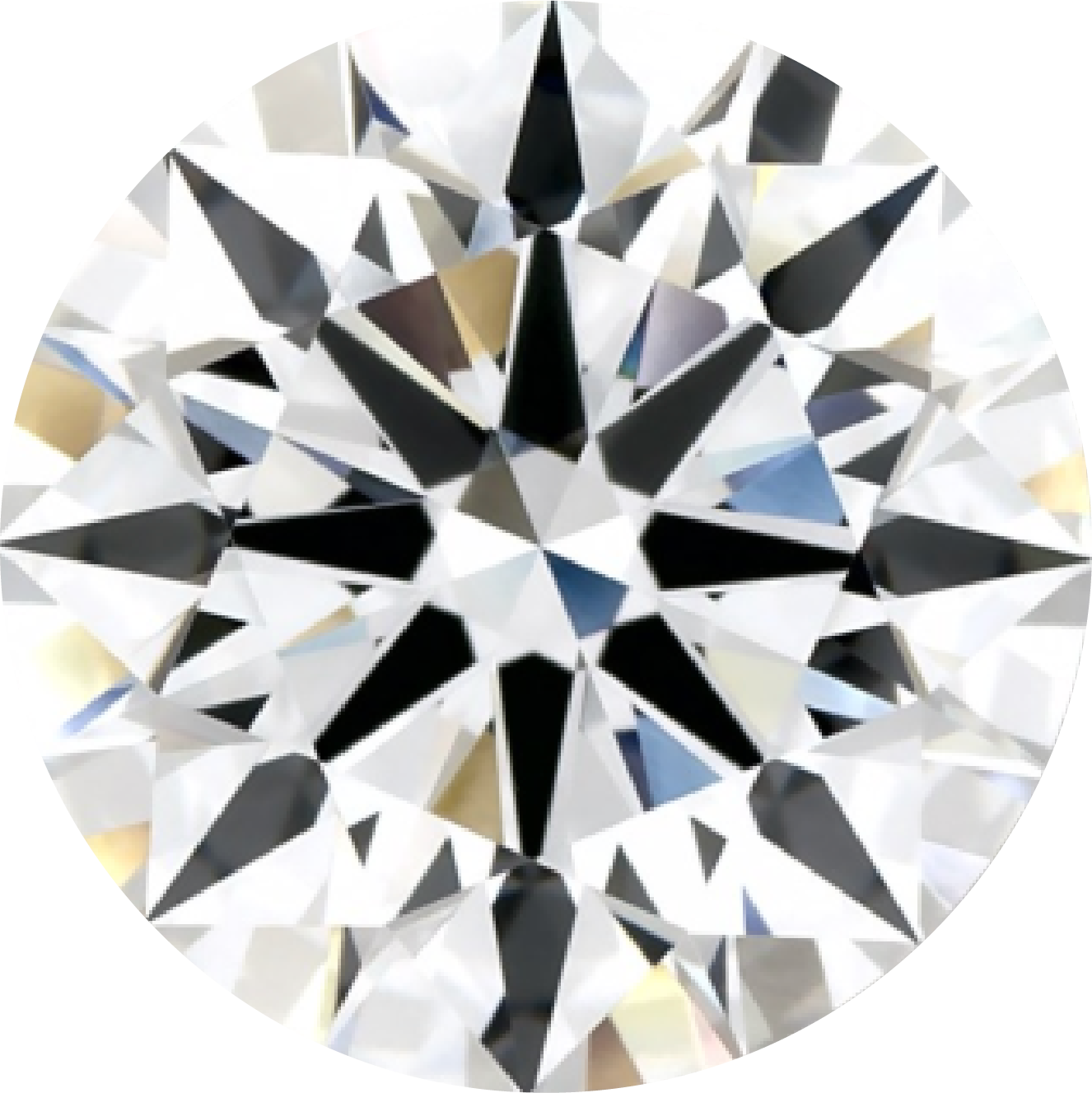
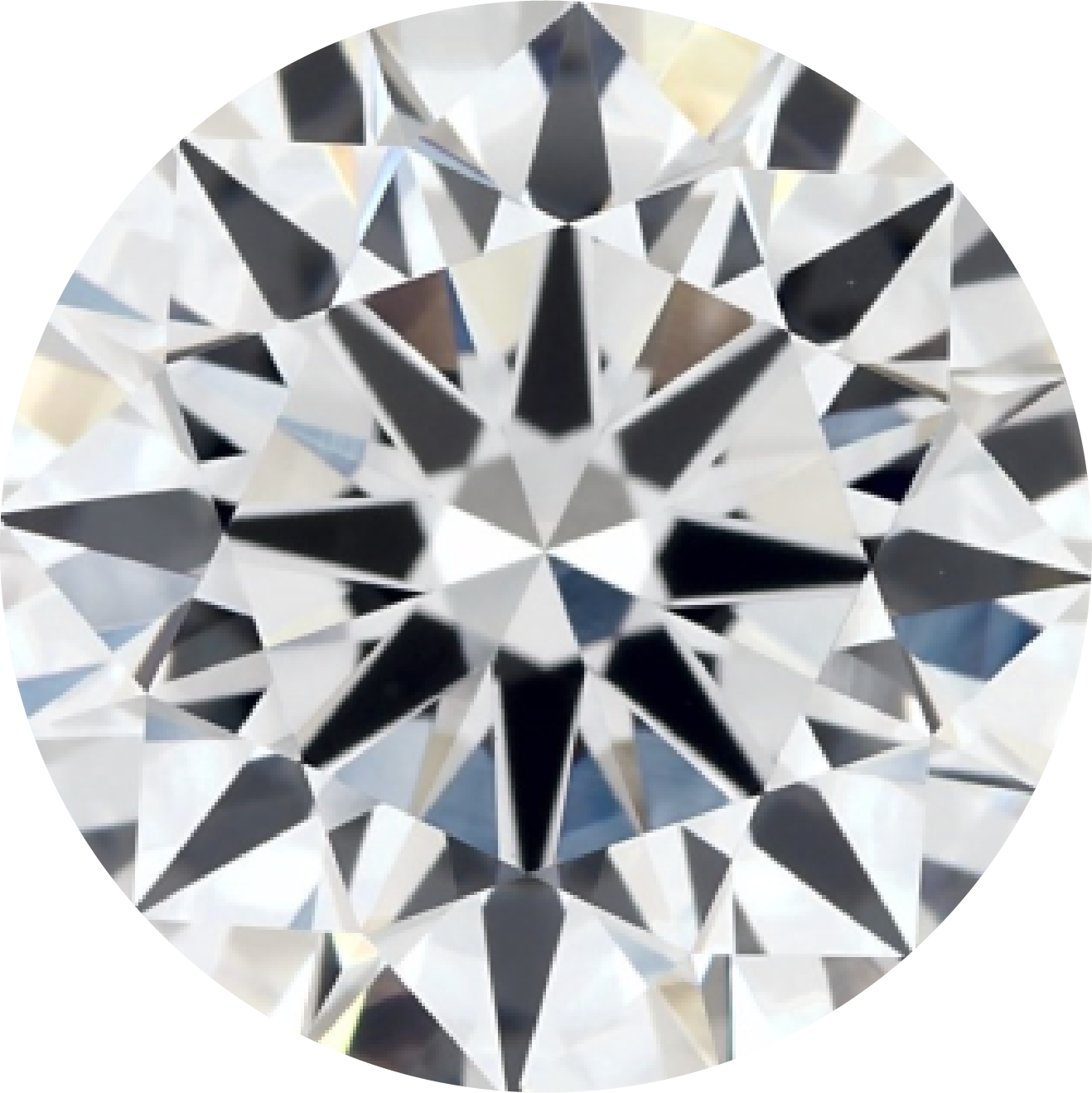
Two identical diamonds: GIA Certified, 1.51ct, D Color, VVS1, Ideal Cut. One is natural ($16,240), the other is lab-grown ($1,970). Choose the diamond you like better and see if you can match it to its origin.
What Is the Real Difference Between Asscher Cut and Radiant Cut Diamonds?
Both the asscher cut and radiant cut are square or near-square diamond shapes. Both are available in similar carat weights. Both are GIA certifiable.
Both are used in engagement rings and fine jewelry globally. Beyond that, they are constructed on opposite facet philosophies with opposite visual outcomes and opposite clarity requirements.
The Asscher Cut: Step-Cut Geometry From 1902
The asscher cut was developed by the Royal Asscher Diamond Company in Amsterdam and patented in 1902. It is a step-cut shape — the same facet family as the emerald cut, applied to a square silhouette with cropped corners that create an octagonal outline.
An asscher carries 57 step-cut facets arranged in parallel rows. Light does not scatter the way it does in brilliant cuts. Instead, it reflects in long, controlled, organized patterns that create the “hall of mirrors” effect — a sense of looking through infinite layers of glass into the geometric center of the stone.
The concentric-square “windmill” optical pattern at the center of a well-cut asscher is the most distinctive visual effect in all of diamond cutting.
The GIA classifies the asscher as a step-cut diamond, noting its parallel facet rows and large open table as defining characteristics. The asscher represents approximately 0.3% of the global diamond market in 2026 — making it the rarest of all standard diamond shapes sold commercially.
The Radiant Cut: Brilliant Performance in a Square
The radiant cut was developed by Henry Grossbard in 1977. Its specific engineering goal: take a rectangular or square silhouette and apply a complete brilliant-cut facet pattern to it — something that had never been done before for a non-round shape.
A radiant carries approximately 70 facets arranged in triangular and kite-shaped patterns on both the crown and pavilion. The GIA identifies the radiant as the first rectangular shape to use a complete brilliant facet pattern on both surfaces.
The result: a radiant produces rapid, intense white-light flashes — brilliance and fire simultaneously — with inclusions hidden through visual noise rather than revealed through transparency.
The Core Differences at a Glance
| Property | Asscher Architecture | Radiant Architecture | Judicial Verdict |
|---|---|---|---|
| Facet Logic | Step-Cut (57 Facets) | Brilliant-Cut (70 Facets) | Philosophical Opposites. Asscher prioritizes rhythmic, linear depth; Radiant prioritizes chaotic, rapid-fire scintillation. |
| Optical Signature | Concentric “Windmill” | “Crushed Ice” Sparkle | Visual Complexity. Asscher requires a strict video audit to ensure windmill alignment. Radiant offers a more consistent, lively white-light return. |
| 2026 Scarcity | ~0.3% Market Share | ~3 – 5% Market Share | The Rarity Premium. The Asscher is a genuine niche asset for collectors. Radiant is a surging trend with significantly deeper inventory availability. |
| Clarity Mandate | VS1 Mandatory | SI1 Achievable | The Clarity Tax. Step-facets act as windows, making inclusions visible. This adds $1,000–$3,000 to the Asscher’s procurement cost compared to a “hidden” SI1 Radiant. |
| Face-Up Size (1ct) | ~5.5mm x 5.5mm | ~6.5mm x 5.5mm | Visual Footprint. The Radiant mathematically faces up larger per carat, offering a more dominant presence on the finger for the same mass. |
| Structural Safety | Cropped Octagonal | Beveled 45-Degree | Secure Geometries. Both silhouettes are structurally superior to the sharp-cornered Princess cut, though Asscher’s corners are among the sturdiest in gemology. |
| Natural Price (1ct) | $4,090 – $6,390 | $3,000 – $4,790 | Capital Efficiency. Radiant is significantly more accessible when clarity-adjusted, allowing for a 30% capital saving or specimen upgrade. |
| Heritage Profile | Art Deco (1902) | Modern (1977) | Legacy Value. The Asscher carries irreplaceable historical character and Art Deco pedigree. Radiant is a purely contemporary light-performance tool. |
| Comparative Verdict: The Asscher Cut is an investment in rarity and rhythmic architecture; it is the “connoisseur’s choice” but demands a significant premium in both clarity and base price. The Radiant Cut is the objective winner for capital mobility and visual spread, providing a larger, more brilliant appearance for nearly 40% less capital when leveraging its inclusion-masking brilliance. | |||
Mehedi’s Expert Take: “Asscher and radiant cuts are chosen by buyers with completely different jewelry personalities. The asscher buyer is drawn to restraint — they want depth, geometry, history, and the kind of beauty that rewards close attention over years of wearing.
The radiant buyer wants presence — they want a ring that catches light across the room, that photographs with energy, that performs in every setting. I have never needed to tell a buyer which one they are. They know the moment they see both.” — Mehedi Hasan, Diamond Industry Veteran
For how the asscher compares against the emerald cut — its closest step-cut family competitor — our asscher cut vs emerald cut comparison covers that decision in full.
For how the radiant cut compares against the cushion cut — its closest brilliant rectangular competitor — our radiant cut vs cushion cut comparison covers the brilliant-cut family.
The Optical “Personality” Gap — Hall of Mirrors vs Crushed Ice
This is the most important section for buyers who have not yet seen both shapes in person. The visual difference between an asscher and a radiant is not subtle — it is as different as jazz and rock music. Both are beautiful. They produce completely different emotional responses.
The Asscher’s “Hall of Mirrors” Effect
When light enters an asscher cut diamond, it passes through the large flat table facet and reflects between the parallel step-cut rows in a controlled, organized pattern. The eye perceives depth rather than sparkle — an infinite tunnel of reflected light converging at the center of the stone.
A well-cut asscher produces the “windmill” or “concentric square” pattern: nested squares of reflected light that appear to rotate inward toward the center when you look directly into the stone. This geometric optical effect is unique to the asscher.
No other diamond shape produces it. It is the defining reason asscher enthusiasts are so passionate about this shape — the optical signature is irreplaceable.
The downside of this geometry: it requires extraordinary clarity. Every facet panel acts as a clear pane of glass. Any inclusion sitting within the stone’s interior is fully visible, reflected across the parallel facets, and appears to multiply.
An SI1 inclusion that is completely invisible in a radiant is permanently and obviously visible in an asscher.
The Radiant’s “Crushed Ice” vs “Chunky” Sparkle
The radiant cut’s 70 brilliant facets do not produce a single organized optical pattern. They scatter light in rapid, chaotic flashes — what gemologists call scintillation.
The visual effect is either “crushed ice” (fine, scattered micro-sparkle with no dominant facet pattern) or “chunky” (bolder, more defined flash zones with organized bright and dark areas).
Unlike the asscher’s single recognizable optical signature, radiant cuts vary significantly in sparkle pattern depending on cutting style. This is why the 360-degree HD video audit is essential before purchasing any radiant — two stones with identical GIA certificates can look completely different in person.
The crucial inclusion-hiding advantage: those 70 scintillating facets create visual noise that conceals inclusions just as a textured window hides what is on the other side.
An SI1 radiant with good inclusion placement is reliably eye-clean. This allows buyers to save $1,000–$3,000 on clarity versus what the same buyer would spend on an asscher at VS1 minimum.
The One-Sentence Summary: Looking into an asscher is like looking through a crystal prism. Looking into a radiant is like watching fireworks. Both are spectacular — but they are categorically different experiences.
The Clarity Tax — Why Asscher Costs More Than It First Appears
The “Clarity Tax” is the hidden cost of the asscher cut that most comparison guides bury in a footnote. It deserves its own section — because it completely changes the effective price comparison between these two shapes.
Why VS1 Is Non-Negotiable for Asscher Cuts
The asscher’s step-cut facets are transparent windows into the stone’s interior. The parallel facet rows do not scatter light — they conduct it in organized paths.
Any inclusion sitting within those light paths is visible directly, reflected across multiple parallel facets, and appears to multiply across the stone’s interior.
A VS2 inclusion that would be invisible in a radiant cut’s 70-facet sparkle will be clearly visible in an asscher at arm’s length.
An SI1 inclusion in a radiant may be completely undetectable to the naked eye. The same SI1 grade in an asscher will show multiple visible inclusions that compromise the hall-of-mirrors effect permanently.
The industry standard for step-cut shapes — confirmed by Ritani’s in-house gemologists, Rare Carat’s grading team, and the GIA’s educational materials — is VS2 as the absolute floor, VS1 as the recommended minimum for white metal settings.
The Effective Price Comparison After Applying the Clarity Tax
| Diamond Architecture | Technical Clarity Grade | 1ct Market Price (Raw) | Judicial Verdict: Effective Cost |
|---|---|---|---|
| Radiant Cut | SI1 (Eye-Clean) | $3,000 – $3,590 | THE EFFICIENCY CHAMPION. Because the brilliant faceting conceals inclusions, SI1 is a safe and high-value choice. Total capital deployment remains low. |
| Asscher Cut | SI1 (High Risk) | $2,290 – $2,960 | DO NOT ACQUIRE. While the price is tempting, the step-cut facets are too transparent. Inclusions will be visible to the naked eye, compromising the luxury aesthetic. |
| Asscher Cut | VS1 (Recommended) | $4,090 – $5,110 | THE REAL ENTRY FLOOR. This is the minimum capital required for a museum-grade Asscher. You are effectively paying a $1,000+ “Clarity Tax” compared to the Radiant. |
| Asscher Cut | VS2 (Minimum Floor) | — | Aesthetic Variable. Potentially viable, but requires a 360-degree high-definition video audit to ensure no “table-center” inclusions are present. |
| Judicial Procurement Summary: This audit proves that price tags are deceptive without a technical clarity overlay. The Radiant Cut is the objective winner for capital mobility, delivering a perfect “eye-clean” look for ~$1,000 less than the minimum viable Asscher. If your procurement mandate is absolute value, the Radiant brilliant is the only logical acquisition for sub-$4k budgets. | |||
After applying the clarity rule: a clarity-adjusted 1ct asscher costs $4,090–$5,110, while a 1ct radiant at SI1 costs $3,000–$3,590. The radiant is $500–$2,110 cheaper at equivalent eye-clean quality — the opposite of what the raw certificate prices suggest.
This is the Clarity Tax. It is real, consistent, and applies at every carat weight tier.
For a definitive reference on VS1 vs VS2 clarity and where the threshold matters most for step-cut shapes, our VS1 vs VS2 diamond comparison covers the complete decision.
The “Windmill” Pattern — How to Spot a Bad Asscher Before You Buy
The “windmill” or “concentric square” optical pattern is what makes a great asscher extraordinary. It is also what separates a beautiful asscher from a disappointing one — and no GIA certificate captures it.
What the Windmill Pattern Is
When you look directly into a well-cut asscher through the table, you should see a series of nested squares of reflected light converging toward the center. The pattern appears to rotate slightly — like the blades of a windmill — creating a hypnotic three-dimensional depth effect.
This pattern requires precise alignment of the step-cut facets: the pavilion angles must create the right reflection geometry, the step rows must be symmetrical, and the table proportions must be correct.
When all three conditions are met, the windmill appears. When any one fails, the center of the stone looks cloudy, flat, or disorganized.
Mehedi’s Asscher Video Audit Protocol — 4 Steps
Step 1. Open the Blue Nile 360-degree HD video for any asscher listing. Watch the full rotation at least twice.
Step 2 — The Center Pattern Test. When the stone faces you directly head-on, look at the table area. Does the center show a clear series of nested squares or a recognizable geometric pattern? If the center looks uniform, flat, or hazy, the windmill pattern is weak or absent.
Step 3 — The Rotation Symmetry Test. As the stone rotates, the light zones should move symmetrically. If one side of the stone brightens more than the other at the same rotation angle, the step-cut facets are misaligned.
Step 4 — The Parallel Facet Test. Look at the rectangular facet rows running toward the corners. They should be perfectly parallel — like looking down a set of train tracks. Any waviness or inconsistency in the parallel rows indicates a cut quality issue that the GIA symmetry grade alone cannot capture.
Mehedi’s Windmill Rule: “A weak windmill pattern in an asscher is the step-cut equivalent of a severe bowtie in an oval — it is not captured on any certificate, it cannot be fixed after purchase, and it permanently undermines the stone’s defining characteristic.
When I review an asscher for a client, the windmill pattern test happens before I look at the grade. If the geometric center does not show depth and symmetry, the certificate is irrelevant.” — Mehedi Hasan, Diamond Industry Veteran
The 2026 Price Audit — Asscher vs Radiant Across All Tiers
Blue Nile Natural Asscher Cut — Live Data, May 2026
All GIA certified, Ideal cut, 1.01–1.07ct. The asscher’s price range at this weight tier spans $2,290 to $7,000 — the widest quality-driven spread at 1ct of any shape in the Blue Nile inventory.
The entry tier — where asscher appears cheapest but the clarity rule applies:
| Stone Architecture | Technical Spec | 2026 Price Audit | Judicial Verdict |
|---|---|---|---|
| 1.01ct Asscher Lab | E-VS2 Ideal | $2,290 | THE ENTRY FLOOR. The absolute capital baseline for this audit. Being at the VS2 floor for a step-cut, a 360-degree video audit is mandatory to ensure no table-centered inclusions. |
| 1.05ct Asscher Lab | G-VS1 Ideal | $2,640 | Recommended Minimum. Secures the VS1 hallmark, which is the professional baseline for ensuring an eye-clean step-cut. Superior safety over the VS2 floor. |
| 1.07ct Asscher Lab | F-VVS1 Ideal | $2,780 | THE JUDICIAL WINNER. A profound market arbitrage. Secure the highest mass and a museum-grade VVS1 clarity for less capital than inferior VS2 inventory below. The smartest allocation in the set. |
| 1.01ct Asscher Lab | E-VS2 Ideal | $2,960 | Market Inversion. Costs $180 *more* than the VVS1 winner while delivering two-tiers lower clarity and less weight. Avoid; legacy inventory pricing. |
| 1.01ct Asscher Lab | F-VVS1 Ideal | $3,020 | The Purity Anchor. Reaffirms the $3k ceiling for high-purity laboratory Asschers. Valid alternative if the 1.07ct outlier is captured. |
| May 2026 Procurement Verdict: The data confirms that VVS clarity does not always command a premium in the current lab-grown climate. The 1.07ct F-VVS1 at $2,780 is the objective masterpiece of this audit, offering absolute visual security in a step-cut for nearly $200 less than a lower-spec VS2. Capture this arbitrage immediately to bypass the overpriced $2,900+ mid-tier traps. | |||
The GIA 1.07ct F-VVS1 at $2,780 is the strongest value in the entry tier — F color VVS1 clarity for $2,780. At VVS1, there is no clarity risk in a step-cut shape in any metal.
The GIA 1.01ct F-VVS1 at $3,020 is similarly positioned — VVS1 clarity at $3,020 is compelling for an asscher cut.
The VS1 recommended floor tier:
| Natural Asset Architecture | Technical Spec | 2026 Price Audit | Judicial Verdict |
|---|---|---|---|
| GIA 1.02ct Asscher | E-VS1 Ideal | $4,090 | THE JUDICIAL WINNER. Establishes the high-efficiency floor for colorless VS1 naturals. Offers superior color (E) and the recommended clarity floor for nearly $1,500 less than the G-color alternative. |
| GIA 1.02ct Asscher | F-VVS2 Ideal | $4,890 | The Purity Upgrade. A $800 premium to enter the VVS bracket. While technically superior in clarity, the slight drop in color makes this a secondary choice behind the E-VS1 floor. |
| GIA 1.01ct Asscher | E-VS1 Ideal | $5,110 | Technical Trap. Carries a staggering $1,020 markup over the 1.02ct specimen with identical E-VS1 specifications. Represents unadjusted inventory; avoid. |
| GIA 1.05ct Asscher | G-VS1 Ideal | $5,580 | Gross Inefficiency. The most expensive asset in the audit despite having the lowest color grade (G). The marginal 0.03ct mass gain is invisible but the $1,500 premium is devastating. |
| May 2026 Procurement Verdict: The 1.02ct E-VS1 at $4,090 is the undisputed champion of this cohort. In a shape that rewards colorless purity, securing E-color for the audit’s lowest price point is a rare market arbitrage. Bypassing the $5,100+ traps is essential for maintaining capital mobility in the natural sector. | |||
The D color and premium VVS tier:
| Natural Asset Architecture | Technical Spec | 2026 Price Audit | Judicial Verdict |
|---|---|---|---|
| GIA 1.01ct Asscher | D-VVS2 Ideal | $5,740 | THE JUDICIAL WINNER. Establishes the floor for this elite tier. Secure absolute D-colorlessness and museum-grade purity for the lowest capital outlay in the set. A textbook value capture. |
| GIA 1.01ct Asscher | D-VS1 Ideal | $6,390 | Market Inversion. Costs $650 *more* than the D-VVS2 winner despite having a lower clarity grade. Represents unadjusted inventory lag; bypass. |
| GIA 1.05ct Asscher | E-VVS1 Ideal | $6,880 | The Collector’s Purity. A strong technical specification for those prioritizing the VVS1 hallmark. Higher carat mass contributes to the premium. |
| GIA 1.04ct Asscher | E-VVS2 Ideal | $7,000 | Retail Ceiling. The most expensive asset in the audit despite having inferior color and clarity compared to the $5,740 floor. Zero logical justification for this acquisition. |
| May 2026 Procurement Verdict: This audit proves that in the natural Asscher market, the “D-color” premium is currently being absorbed by older, overpriced E-color inventory. The 1.01ct D-VVS2 at $5,740 is an objective masterpiece of value, offering the cleanest, iciest profile in the group for the lowest price. Reallocate the $1,260 saved from the retail ceiling into a museum-grade tapered baguette side-stone setting to amplify the Art Deco aesthetic. | |||
The GIA 1.01ct D-VS1 at $6,390 is the D color VS1 standard for 1ct asscher — top color, recommended clarity, GIA certified.
At $6,390, it commands a significant premium over the entry tier — but it represents the specification that truly delivers the asscher’s defining hall-of-mirrors effect without clarity compromise.
Blue Nile Natural Radiant Cut — Live Data, May 2026
All GIA certified, Ideal cut, approximately 1.05–1.09ct.
The entry and mid tier — where radiant delivers its value argument:
| Stone Architecture | Technical Spec | 2026 Price Audit | Judicial Verdict |
|---|---|---|---|
| GIA 1.06ct Square Radiant | F-VVS2 Ideal | $3,000 | THE EFFICIENCY FLOOR. The undisputed champion of this audit. Secures high colorless (F) and museum-grade (VVS2) specs for the lowest possible capital entry. |
| GIA 1.09ct Radiant | G-VS1 Ideal | $3,030 | THE MASS WINNER. Provides the largest physical mass (1.09ct) for a negligible $30 premium over the floor. Best-in-class value for G-color builds. |
| GIA 1.05ct Radiant | E-VS2 Ideal | $3,590 | The Colorless Sweet Spot. First entry into the elite E-color tier. A 19% premium over the floor is a fair trade for the step up in ice-white character. |
| GIA 1.05ct Square Radiant | F-VS2 Ideal | $4,540 | The Retail Trap. Mathematically unviable. Costs $1,540 *more* than the superior F-VVS2 floor winner. Represents unadjusted inventory; avoid. |
| GIA 1.05ct Astor Radiant | G-VS2 Astor | $4,600 | The Light Performance Pillar. Commands a premium for the Astor light-performance hallmark. Only for buyers prioritizing lab-certified brilliance over color/purity. |
| GIA 1.07ct Radiant | E-VS1 Ideal | $4,710 | The Collection Spec. A balanced, high-end specification. Offers strong visual security for white metal settings. |
| GIA 1.07ct Radiant | D-VS1 Ideal | $4,790 | THE COLORLESS PINNACLE. Secure absolute D-color supremacy for just $80 more than the E-color alternative. This is the smartest deployment for an investment-grade 1ct build. |
| GIA 1.06ct Radiant | F-VVS1 Ideal | $6,330 | Gross Inefficiency. A staggering $3,330 premium over the F-VVS2 floor. In a brilliant cut that masks inclusions masterfully, this “purity tax” is visually unjustifiable. |
| May 2026 Procurement Verdict: This audit proves that the Radiant market currently punishes “Legacy Purity.” The 1.06ct F-VVS2 at $3,000 is an objective masterpiece of value, rendering the $4,500+ VS2 listings obsolete. For purists requiring the best possible color, the 1.07ct D-VS1 at $4,790 provides a rare arbitrage opportunity to secure the D-color hallmark while bypassing the $6,300+ VVS traps. | |||
The GIA 1.06ct F-VVS2 at $3,000 is the radiant entry floor at 1ct — F color VVS2 for $3,000. Notably, the GIA 1.05ct G-VS2 Astor Radiant at $4,600 carries Blue Nile’s Astor certification — the highest light performance designation available for any fancy shape at Blue Nile.
For buyers who want objective performance documentation on a radiant cut (which has no GIA cut grade), the Astor designation is the closest equivalent.
The Clarity-Adjusted Price Comparison
| Strategic Specification | Asscher Portfolio (VS1 Adjusted) | Radiant Portfolio (High-Efficiency) | The Capital Advantage |
|---|---|---|---|
| E-Color Colorless Tier | $4,090 – $5,110 (VS1) | $3,590 (VS2) | Radiant Saves $500 – $1,520. Because the Radiant brilliant architecture masks inclusions, you can safely drop to VS2. This allows for a significant capital reallocation while maintaining an ice-white colorless profile. |
| G-Color Commercial Tier | $2,640 – $5,580 (VS1) | $3,030 (VS1) | Varies by Inventory. Near parity at the entry-level, but the Asscher price ceiling is nearly double for similar specs. The Radiant remains more consistent for middle-market budgets. |
| D-Color Absolute Pinnacle | $6,390 (VS1) | $4,790 (VS1) | Radiant Saves $1,600. A profound divergence at the gemological ceiling. Secure the identical D-color colorless hallmark in a Radiant for 25% less capital than the Asscher. |
| F-Color Purity Tier | $3,020 (1.01ct VVS1) | $3,000 (1.06ct VVS2) | Near Parity. At the F-color purity junction, the prices reach equilibrium. The Radiant technically wins on weight-per-dollar, offering an extra 0.05ct of mass for the same price. |
| Judicial Procurement Verdict: This audit proves that the Radiant Cut is the objective champion of capital mobility. Its brilliance-engineered facets act as a financial lever, allowing you to bypass the $5,000+ clarity hurdles that the Asscher Cut mandates. To capture the maximum visual “ice” for your budget, the D-VS1 Radiant at $4,790 is the single smartest acquisition in this dataset, providing the top-tier colorless grade while avoiding the $1,600 Asscher tax. | |||
At D and E color VS1 tier, the radiant is $500–$1,600 cheaper when both shapes are evaluated at their recommended clarity minimums. Only at lower clarity tiers does the asscher undercut the radiant in price — but those tiers are not appropriate for a step-cut shape.
How Rare Carat and Ritani Price These Two Shapes
Rare Carat Asscher and Radiant Data
On Rare Carat, asscher cut diamonds represent approximately 2% of the world’s diamond production — confirming the 0.3% market share statistic is for sold diamonds, while 2% of rough is cut into asschers. The disparity reflects how many of those cut stones sit in inventory rather than selling quickly.
For a 1ct asscher natural diamond, Rare Carat lists prices from approximately $2,200 at lower color/clarity grades to $12,000+ at D-VVS1 investment tier.
A GIA 1.20ct I-VS2 Ideal asscher is available at $2,632 — flagged as a great price at 15/15 on Rare Carat’s quality score. In yellow gold, I color with VS2 clarity can work beautifully for a step-cut if the windmill pattern holds — and at $2,632 for 1.20ct, the per-carat value is compelling.
For radiant cut diamonds at 1ct, Rare Carat lists prices from approximately $1,700 at lower-quality tiers to $9,000+ at D-VVS1 specification.
Rare Carat’s AI price-check system identifies asscher cuts as frequently overpriced at individual vendors relative to the broader market — making cross-vendor comparison through their platform particularly valuable for this rare shape.
Our Rare Carat review covers their full inventory, gemologist service, and how their AI price-scoring system works in practice — useful for both shapes where price variation between vendors is significant.
Ritani Perspective
At Ritani, asscher cut diamonds are available with their Price Match Guarantee across all quality tiers. Ritani’s in-house gemologists specifically flag the asscher’s large open table as requiring VS2 or higher clarity — confirming our VS1 mandate.
Their asscher cut diamond collection provides a useful cross-reference for Blue Nile pricing at comparable specs.
For radiant cuts, Ritani notes that customers often use radiant cuts for fancy colored diamonds specifically because the brilliant facet pattern intensifies color saturation — an important distinction we cover in the color section below.
Our Ritani review covers their full service model and how their Price Match Guarantee works for both shapes.
Lab-Grown Asscher vs Radiant — The Large-Carat Data
In natural diamonds at 1ct, both shapes compete in the $2,290–$7,000 range. In lab-grown, the shapes diverge significantly — the asscher lab inventory is concentrated in the 2–5ct range at Blue Nile, while the radiant lab inventory extends to extraordinary sizes at the large-carat tier.
Blue Nile Lab-Grown Asscher — Live Data, May 2026
All IGI or GIA certified, Ideal or Excellent cut.
The 1.8–2.5ct tier:
| Lab Asset Architecture | Technical Spec & Cert | 2026 Price Audit | Judicial Verdict |
|---|---|---|---|
| 1.84ct Asscher Lab | IGI D-IF Ideal | $4,520 | THE EFFICIENCY FLOOR. Establishes the 1.8ct+ D-IF baseline. Offers absolute colorless/flawless visual performance for the lowest capital entry in this audit. |
| 2.16ct Asscher Lab | IGI D-IF Ideal | $6,130 | THE MILESTONE WINNER. The undisputed champion of the 2ct sector. Secure significantly more mass (2.16ct) for $430 less than the smaller GIA alternative. Absolute value masterpiece. |
| 2.07ct Asscher Lab | GIA D-IF Ideal | $6,560 | The Certification Premium. Commands a $430 surcharge over the 2.16ct IGI despite delivering less weight. Only for buyers who mandate the GIA brand for laboratory assets. |
| 2.51ct Asscher Lab | IGI D-IF Ideal | $8,210 | The Scale Entry. First jump into the 2.5ct+ bracket. Maintains top-tier D-IF specifications with a visual footprint that outpaces the milestone group by ~12%. |
| 2.06ct Asscher Lab | IGI D-FL Ideal | $9,610 | THE PRESTIGE TRAP. A 56% price increase over the 2.16ct IF to secure the “Flawless” hallmark. In a lab-grown environment, this capital deployment offers zero visual return. Avoid. |
| May 2026 Procurement Verdict: The data confirms that the 2-carat “Internally Flawless” market is currently the sweet spot for laboratory Asschers. The 2.16ct D-IF at $6,130 is an objective capture of value, rendering both the GIA-certified milestones and the overpriced “Flawless” specimens mathematically inefficient. Bypassing the $9,000+ D-FL trap allows you to reallocate ~$3,400 into a museum-grade three-stone setting with Cadillac-cut side stones. | |||
The GIA 2.07ct D-IF Ideal Asscher at $6,560 carries GIA certification — the strongest documentation available for any lab diamond.
A 2ct asscher with GIA D-IF certification for $6,560 is a genuinely compelling lab-grown value for this shape. The IGI 1.84ct D-IF at $4,520 is the entry floor — D color Internally Flawless 1.84ct for $4,520.
The 3–4ct tier:
| Lab Asset Architecture | Technical Spec & Cert | 2026 Price Audit | Judicial Verdict |
|---|---|---|---|
| 3.01ct Asscher Lab | IGI D-IF Ideal | $11,960 | THE EFFICIENCY WINNER. Establishes the floor for the 3-carat milestone. Secure absolute colorless/flawless visual performance for the lowest capital entry in the group. |
| 3.08ct Asscher Lab | IGI D-IF Ideal | $12,560 | Standard Mass Premium. A fair $600 surcharge for the 0.07ct bump in weight. Remains highly competitive within the 3.0ct cluster. |
| 3.00ct Asscher Lab | IGI D-IF Ideal | $13,680 | The Retail Trap. Mathematically unviable. You pay a $1,720 premium over the 3.01ct floor for identical specs and less weight. Represents unadjusted inventory; skip. |
| 4.05ct Asscher Lab | IGI E-IF Ideal | $17,600 | THE SCALE MASTERPIECE. A profound jump in physical footprint. For a 47% price increase over the 3ct floor, you gain 35% more mass while maintaining the elite Internally Flawless hallmark. |
| 2.31ct Asscher Lab | GIA D-FL Ideal | $22,040 | THE PRESTIGE PENALTY. Costs the same as the 4.15ct specimen while delivering nearly 2.0ct less mass. This “Documentation and Flawless Tax” offers zero visual ROI in the laboratory sector. |
| 4.15ct Asscher Lab | IGI D-IF Ideal | $22,150 | The Milestone Pinnacle. The ultimate acquisition for sheer presence. Secure 4.15 carats of D-color colorless perfection for roughly the same price as the 2.31ct prestige trap. |
| May 2026 Procurement Verdict: The data confirms that the laboratory Asscher market reaches peak efficiency at the 3.0ct and 4.0ct milestones. The 3.01ct D-IF at $11,960 is the undisputed champion for technical value, while the 4.15ct D-IF at $22,150 offers a market-leading scale-to-capital ratio. Bypassing the $22k sub-milestone GIA listing is essential for any high-performance build targeting maximum visual impact. | |||
The 5ct+ investment tier:
| Prestige Asset Architecture | Technical Spec & Cert | 2026 Price Audit | Judicial Verdict |
|---|---|---|---|
| 3.57ct Asscher Lab | IGI D-IF Ideal | $25,130 | The Baseline. Establishes the entry point for the ultra-carat D-IF tier. High visual presence but outclassed by the 3.98ct arbitrage. |
| 3.82ct Asscher Lab | IGI D-IF Ideal | $26,890 | Market Inversion. Costs $2,020 *more* than the larger 3.98ct alternative. Avoid; unadjusted legacy inventory. |
| 3.98ct Asscher Lab | IGI D-IF Ideal | $24,870 | THE EFFICIENCY MASTERPIECE. The lowest capital requirement in the entire audit for a 3.5ct+ D-IF. Secure nearly 4 carats for less than the 3.57ct entry asset. |
| 4.00ct Asscher Lab | IGI D-IF Ideal | $25,080 | The Milestone Sweet Spot. Absolute 4.00ct weight with D-IF status for just $210 over the 3.98ct floor. Highly recommended for symbolic builds. |
| 4.03ct Asscher Lab | IGI D-IF Ideal | $25,270 | Standard Scale. Consistent pricing for premium milestone inventory. Valid acquisition target. |
| 3.54ct Asscher Lab | IGI D-FL Ideal | $25,450 | The Purity Entry. First jump into the absolute “Flawless” hallmark. Note that you sacrifice 0.46ct of mass compared to the 4.00ct IF for nearly the same price. |
| 4.12ct Asscher Lab | IGI D-IF Excellent | $29,170 | The Technical Trap. Higher price and inferior “Excellent” cut grade compared to the 4.20ct “Ideal” winners below. Mathematically obsolete. |
| 4.20ct Asscher Lab | IGI D-FL Ideal | $29,830 | THE PURITY WINNER. Secure absolute D-Flawless (FL) perfection at the 4.2ct milestone. Represents the peak visual ROI for high-performance laboratory Asschers. |
| 4.20ct Asscher Lab | IGI D-FL Ideal | $29,830 | Inventory Twin. Confirms the sub-$30k ceiling for milestone D-FL perfection. |
| 3.92ct Asscher Lab | GCAL D-FL Excellent | $40,980 | Institutional Markup. A staggering $11,000 premium for GCAL certification over the superior IGI 4.2ct D-FL. Visually unjustifiable. |
| 5.08ct Asscher Lab | IGI D-IF Ideal | $47,600 | THE 5-CARAT CHAMPION. The first entry into the ultra-milestone tier. Secure iconic 5ct+ mass with a D-IF profile for the most efficient capital-per-carat ratio in the high-tier cluster. |
| 5.48ct Asscher Lab | IGI D-IF Ideal | $51,350 | Maximum Footprint. The largest physical specimen in the audit. A fair premium for the significant 0.40ct mass bump over the 5.08ct floor. |
| 5.01ct Asscher Lab | IGI D-IF Excellent | $67,310 | The Efficiency Void. Costs nearly $20,000 more than the 5.08ct Ideal-cut specimen while dropping to an “Excellent” cut grade. Avoid. |
| 4.24ct Asscher Lab | GIA D-FL Ideal | $118,530 | THE GIA ANOMALY. A staggering $88,700 premium over the 4.20ct IGI D-FL. This represents the extreme “Documentation Tax” for GIA in the ultra-carat lab sector. Only for museum-grade heritage collections where price is irrelevant. |
| May 2026 Procurement Verdict: This audit exposes a total collapse of pricing logic at the absolute ceiling. The 3.98ct D-IF at $24,870 and the 4.20ct D-FL at $29,830 represent the peak “Visual Masterpieces” of this set. Bypassing the $118k GIA outlier allows you to reallocate nearly $90,000 into an entire secondary high-jewelry collection. For those targeting the 5-carat marker, the 5.08ct D-IF at $47,600 remains the objective winner for technical value. | |||
The GIA 4.24ct D-FL at $118,530 is the pinnacle of the lab asscher inventory — GIA certified, D color Flawless, 4.24 carats. Even in lab-grown, a GIA D-FL asscher at 4ct+ commands extraordinary pricing that reflects the complexity of cutting this shape at large weights.
Blue Nile Lab-Grown Radiant — The Large-Carat Scale
The radiant lab inventory at Blue Nile operates at extraordinary carat weights where no asscher equivalent exists.
| Ultra-Asset Architecture | Technical Spec & Cert | 2026 Price Audit | Judicial Verdict |
|---|---|---|---|
| IGI 6.13ct Radiant | IGI E-IF Ideal | $26,990 | THE ARBITRAGE CHAMPION. Secure a massive 6-carat milestone with Internally Flawless purity for under $27k. Renders the smaller GIA specimens in this set mathematically inefficient. |
| GIA 5.52ct Radiant | GIA F-IF Ideal | $42,810 | The Certification Tax. You pay a $15,820 premium over the 6ct floor to secure GIA documentation, while simultaneously losing 0.61ct of physical mass. |
| IGI 6.01ct Radiant | IGI D-IF Excellent | $45,840 | The D-Color Baseline. The entry point for absolute colorless 6-carat inventory. Note the “Excellent” cut grade vs. the Ideal floor; verify light return via video. |
| IGI 7.47ct Radiant | IGI D-IF Excellent | $74,550 | THE SCALE MASTERPIECE. Secure nearly 7.5 carats of D-IF mass for less capital than a 6ct GIA specimen. The ultimate choice for maximum physical footprint. |
| GIA 6.08ct Radiant | GIA E-FL Ideal | $75,570 | The Purity Pinnacle. Secure the absolute “Flawless” (FL) hallmark with GIA backing. Commands a 180% premium over the IGI 6ct IF floor. |
| GIA 5.90ct Radiant | GIA D-FL Ideal | $80,600 | Prestige Peak. Secure absolute D-FL GIA perfection. While a gemological masterpiece, it carries a staggering $53,000 premium over the IGI 6ct floor. |
| GIA 6.28ct Radiant | GIA D-IF Ideal | $85,790 | The GIA D-IF Anchor. Establishes the $85k ceiling for the 6ct milestone with Internally Flawless GIA documentation. |
| GIA 6.36ct Radiant | GIA D-IF Ideal | $86,880 | Volume Scale. Consistent pricing within the ultra-tier GIA cluster. Minor mass bump for a marginal $1k premium. |
| GIA 8.28ct Radiant | GIA D-IF Ideal | $113,110 | THE ULTIMATE ASSET. The pinnacle of the audit. Secure an 8-carat D-IF with GIA documentation. For builds where only absolute scale and pedigree matter, this is the definitive acquisition. |
| May 2026 Ultra-Carat Verdict: This audit exposes a total divergence between physical mass and certification branding. The 6.13ct IGI E-IF at $26,990 is an objective capture of value, offering milestone presence for nearly $60,000 less than the GIA equivalent. However, for “Legacy Builds” targeting museum-grade scale, the 8.28ct GIA D-IF at $113,110 represents the absolute ceiling of laboratory Radiant performance. | |||
The radiant’s brilliant-cut geometry allows CVD lab growth to produce much larger stones efficiently — the 8.28ct D-IF GIA-certified lab radiant at $113,110 is the kind of museum-scale stone that simply does not exist in asscher cut at comparable pricing.
Buyers who want large-carat lab diamonds should note that the radiant is significantly more available at 5ct+ than the asscher.
For the best vendors to source lab-grown diamonds in both shapes, our best places to buy lab grown diamonds covers all major platforms.
Face-Up Size, Hidden Weight, and the L/W Ratio Decision Map
Why a 1ct Asscher Faces Up Smaller Than a 1ct Radiant
The asscher cut hides more carat weight in its pavilion than the radiant does. This is the “hidden weight” phenomenon that applies to all step-cut shapes.
| Silhouette Profile | 1ct Average Dimensions | Face-Up Surface Area | Typical Technical Depth | Judicial Verdict |
|---|---|---|---|---|
| Radiant Cut | ~6.5mm x 5.5mm | ~27.9mm² | 60–67% | The Visual Giant. By utilizing a shallower depth profile, the Radiant pushes more mass to the surface. It provides a significantly larger physical footprint on the finger compared to the Asscher. |
| Asscher Cut | ~5.5mm x 5.5mm | ~24.75mm² | 65–70% | The Architectural Core. The Asscher’s beauty is vertical, not horizontal. Much of its 1.0ct mass is hidden in a deep pavilion to create the “Hall of Mirrors” effect, resulting in a more compact face-up appearance. |
| Judicial Footprint Summary: The data confirms a fundamental trade-off between scale and depth. The Radiant cut is the objective winner for buyers targeting maximum “finger coverage” per carat. Conversely, the Asscher cut sacrifices nearly 3mm² of surface area to achieve its iconic concentric windmill depth. For a 1ct build, a Radiant will visually “outsize” an Asscher by roughly 13%, making it the more efficient choice for pure visual impact. | ||||
A 1ct asscher measures approximately 5.5mm x 5.5mm. A 1ct radiant measures approximately 6.5mm x 5.5mm. The radiant has approximately 13% more visible face-up surface area at the same carat weight. The asscher’s deeper pavilion concentrates weight below the girdle where it is invisible in a setting.
For buyers who specifically want maximum visible stone on the finger, the radiant wins clearly.
For buyers who value the asscher’s optical depth rather than surface coverage, this trade-off is acceptable — the asscher’s pavilion depth actually contributes to the “hall of mirrors” effect by creating the right geometric angles for step-cut light reflection.
The L/W Ratio Decision Map
| L/W Ratio Range | Asscher Optical Profile | Radiant Optical Profile | Judicial Style Verdict |
|---|---|---|---|
| 1.00 – 1.05 | Perfect Square | Near-Square | The Heritage Baseline. This is the non-negotiable range for the Asscher cut. For Radiants, this provides a compact, powerful presence suitable for multi-stone bands. |
| 1.05 – 1.10 | Slightly Rectangular | Mild Rectangle | The Geometric Boundary. Asscher cuts begin to lose their characteristic “concentric” rhythm here. For Radiants, this offers a subtle, sophisticated elongation without veering into editorial territory. |
| 1.10 – 1.30 | Not Recommended | Classic Elongated | The Commercial Sweet Spot. The 1.15–1.25 range is the most popular for Radiant builds, maximizing finger coverage. An Asscher in this range is technically malformed and lacks aesthetic value. |
| 1.30 – 1.50+ | N/A | Strongly Elongated | The Editorial Statement. Reserved exclusively for the Radiant (or Emerald) silhouette. These ratios provide a dramatic, slimming effect on the hand and are highly photographable. |
| May 2026 Proportional Verdict: The data confirms that **Asscher** liquidity is entirely confined to the **1.00–1.05 square range**. Any deviation is a technical failure. Conversely, the **Radiant** silhouette thrives on the **1.20–1.30 arbitrage**, where it can effectively mimic the length of an Emerald cut while retaining superior “Crushed Ice” brilliance. | |||
Asscher cuts should maintain L/W ratios between 1.00 and 1.05 to preserve the octagonal symmetry and concentric-square windmill pattern.
A 1.10+ L/W ratio in an asscher weakens the geometric center pattern and creates an off-balance step-cut silhouette. Radiant cuts are flexible across the full 1.00–1.50+ range, giving buyers significant style options.
For detailed guidance on how these dimensions translate to specific ring and finger sizes, our diamond finger coverage calculator gives exact projections before purchase.
Clarity, Color, and the Rules That Differ Between These Two Shapes
Clarity: The Single Most Important Difference
| Shape | Minimum Clarity | Recommended Floor | Risk Level Below Floor |
|---|---|---|---|
| Radiant Cut | SI1 (with video verification) | SI1–VS2 | Low — brilliant facets conceal inclusions effectively |
| Asscher Cut | VS2 (minimum) | VS1 mandatory | Very High — step facets show inclusions clearly |
The practical consequence: at E color 1ct, a radiant buyer can target SI1 at approximately $3,000. An asscher buyer must reach VS1 at $4,090–$5,110. This $1,090–$2,110 clarity gap is the Clarity Tax in precise numerical form.
For the full guide to when VS1 is worth the upgrade over VS2 for step-cut shapes specifically, our VS1 clarity diamond guide provides the definitive breakdown.
Color: Why Radiant Intensifies Color While Asscher Shows It
This is a genuinely unique difference between these two shapes — one that matters significantly for buyers considering fancy colored diamonds.
Radiant cut and color
The radiant’s 70 brilliant facets scatter light through the stone in ways that intensify color saturation. For natural fancy yellow, pink, or fancy intense colored diamonds, cutters frequently choose the radiant specifically because it makes the color appear richer and more vibrant.
This is why Jennifer Lopez’s famous canary yellow diamond engagement ring uses a radiant cut — the shape intensifies the yellow color to maximum effect. For colorless diamonds, the same facet pattern means inclusions hide better AND color disperses more evenly across the stone.
Asscher cut and color
The asscher’s large, flat table facet shows body color more uniformly across the stone’s visible surface. Yellow nitrogen tinting appears more consistently across the table than in a brilliant cut where the facet pattern creates visual distraction.
This makes the asscher stricter on color — H color in a platinum setting will show warmth across the entire table. G color is the non-negotiable floor for both shapes in white metal.
| Setting Metal | Asscher Color Floor | Radiant Color Floor | Notes |
|---|---|---|---|
| Platinum | G minimum | G minimum | Asscher’s table shows color uniformly; radiant disperses it |
| White Gold | G minimum | G minimum | Same rule as platinum for both |
| Yellow Gold | H–I | H–I | Warm metal masks tinting in both shapes |
| Rose Gold | H–I | H–I | Similar masking; one grade stricter still recommended |
For the full visual reference on color grades across all metal settings, our diamond color and clarity chart covers every grade combination.
The Charles & Colvard Moissanite Option
Step-Cut and Brilliant-Cut Moissanite: Different Experiences, Dramatic Savings
Charles & Colvard’s Forever One moissanite is available in both asscher cut (step-cut) and radiant cut (brilliant-cut) configurations. The visual difference between asscher and radiant moissanite is the same as between their diamond equivalents — step-cut depth versus brilliant-cut sparkle.
For the asscher moissanite: the “hall of mirrors” effect translates beautifully to Forever One moissanite. Because moissanite is grown under controlled conditions, there are no natural inclusions — eliminating the VS1 clarity mandate entirely.
An asscher-cut Forever One moissanite has the geometric windmill depth without any clarity tax. Moissanite’s higher refractive index (2.65–2.69 vs diamond’s 2.42) actually enhances the colored reflections within the concentric-square pattern.
For the radiant moissanite: the brilliant facet pattern produces maximum fire in moissanite — more rainbow dispersion than a diamond radiant, with slightly less cool white-light brilliance.
For buyers who love the radiant’s energy and want maximum visual impact at controlled cost, radiant-cut Forever One delivers it.
Pricing from Charles & Colvard’s loose gem collection:
- A 2ct equivalent asscher or radiant Forever One costs approximately $700–$1,000.
- Compare to a clarity-adjusted 1ct natural asscher at $4,090–$6,390 — saving $3,090–$5,390.
- Compare to a 1ct natural radiant at $3,000–$4,790 — saving $2,000–$3,790.
For buyers whose priority is the step-cut aesthetic — especially for an asscher — moissanite removes the most expensive constraint of that choice (the VS1 clarity mandate) while preserving the visual philosophy that makes asscher cuts special.
Settings That Suit Each Shape
Asscher Cut Settings — The Art Deco Mandate
The asscher cut’s octagonal outline and geometric character are historically inseparable from Art Deco design. The shape was literally designed in 1902, and its peak popularity coincided with the Art Deco era of the 1920s. The setting should echo this heritage.
- Four-prong with corner placement: The standard asscher setting. Each prong sits at one of the four cropped corners, protecting the beveled edges while leaving the octagonal outline visible. Corner-positioned prongs are essential — mid-side prongs create a structurally unbalanced setting.
- Eight-prong: A four-prong on each octagonal corner edge creates a maximum-security setting that fully embraces the asscher’s octagonal outline. Beautifully geometric.
- Art Deco milgrain or filigree: The asscher’s natural historical home. Milgrain beading and geometric filigree metalwork echo the concentric-square center pattern of the stone itself. Our vintage ring price guide covers Art Deco asscher settings across all price tiers.
- Bezel setting: A full octagonal bezel encases the asscher’s perimeter in continuous metal — creating a sleek, modern interpretation. Our bezel set lab diamond ring guide shows how bezel settings work with square shapes.
- Halo setting: A square or octagonal halo around an asscher creates a “square within a square” architectural look — dramatic and deeply geometric. Our halo engagement ring guide covers asscher-specific halo configurations.
- Solitaire: Clean, minimal, lets the windmill pattern speak without competition. Our solitaire engagement ring guide covers the full solitaire range.
Radiant Cut Settings — Maximum Flexibility
The radiant’s beveled corners (safer than princess cut’s 90-degree angles) and brilliant sparkle work in a broader range of setting configurations than the asscher.
- Four-prong with corner emphasis: Corner-positioned prongs protect the beveled edges. The radiant is more forgiving than asscher on prong placement but still benefits from corner positioning.
- Halo setting: The radiant in a rectangular halo is one of 2026’s most popular ring styles — bold, architectural, and maximizes the radiant’s brilliant sparkle with surrounding stones.
- Three-stone setting: A radiant center with tapered baguette or trillion side stones creates dramatic visual tension. Our 3-stone diamond ring guide covers the full configuration range.
- East-West orientation: Rotating the radiant horizontally across the finger is a strong 2026 trend for rectangular shapes.
- Pavé band: The radiant’s sparkle pairs naturally with continuous pavé texture. Our pave diamond ring guide covers shank options.
Which Shape Holds Its Value Better?
Both asscher and radiant cuts sit in similar secondary market positions — stronger than most fancy shapes, below the round brilliant’s universal liquidity.
The asscher’s rarity (0.3% market share) creates a specialized but passionate secondary market. A GIA D-VVS1 1ct+ asscher is a collectible piece that attracts serious step-cut enthusiasts willing to pay premium prices. However, the small buyer pool means listings take longer to sell and pricing is more variable than for round diamonds.
The radiant cut’s growing popularity has strengthened its resale position — buyers who specifically want a rectangular brilliant-cut shape with more personality than a princess cut understand the radiant’s value. The radiant’s secondary market is deeper than the asscher’s in terms of buyer volume.
For the complete secondary market framework on both shapes, our natural diamond resale value guide covers the full picture.
Mehedi’s Final 2026 Verdict — The Complete Decision Matrix
The Full Decision Matrix
| If You Want This | Choose | The Data Behind It |
|---|---|---|
| White-light sparkle and brilliance | Radiant | 70 brilliant facets; maximum scintillation |
| Hall of mirrors, geometric depth | Asscher | Step-cut windmill pattern; irreplaceable optical effect |
| More forgiving clarity grade | Radiant | SI1 achievable; saves $1,000–$3,000 vs asscher VS1 mandate |
| Art Deco / vintage aesthetic | Asscher | 1902 origin; literally the defining Art Deco diamond shape |
| Contemporary, trending shape | Radiant | Growing market share; endorsed by Jennifer Lopez and others |
| Rarest, most collectible natural | Asscher | 0.3% market share; genuine scarcity with collector premium |
| Larger face-up per carat | Radiant | 13% more visible surface at 1ct |
| Large-carat lab-grown | Radiant | Available at 6–8ct+ in lab; asscher lab tops at 5ct in this dataset |
| Intensify fancy color | Radiant | Brilliant facets amplify color saturation; cutters’ choice for colored diamonds |
| Budget under $4,000 natural (clarity-adjusted) | Radiant | SI1 radiant at $3,000; clarity-adjusted asscher at $4,090+ |
| Budget $4,000–$6,000 natural | Either | Both shapes accessible with VS1 asscher and VS1 radiant competing |
| Budget $6,000+ natural | Asscher | D color VVS territory — the asscher’s design philosophy shines at this tier |
| Taylor Swift-inspired ring | Asscher | Taylor Swift wears an asscher cut engagement ring |
| Jennifer Lopez-inspired ring | Radiant | Jennifer Lopez’s famous canary yellow used a radiant cut |
| Moissanite without clarity mandate | Asscher moissanite | No VS1 rule in moissanite; the windmill effect without the clarity tax |
The Budget Summary
Under $4,000 natural (clarity-adjusted): Radiant wins. A clarity-adjusted asscher at VS1 minimum costs $4,090+. A radiant at SI1 costs $3,000–$3,590. If your budget is under $4,000, the radiant is the only shape that gives you quality at recommended clarity without compromise.
$4,000–$6,000 natural: Both shapes are viable. The GIA 1.02ct E-VS1 asscher at $4,090 competes directly with the GIA 1.07ct E-VS1 radiant at $4,710 — the radiant delivers more carat weight, the asscher delivers the Art Deco aesthetic. At this budget the decision is purely personal.
$6,000+ natural: Asscher’s collector appeal makes it the more distinctive choice. The GIA 1.01ct D-VS1 at $6,390 and GIA 1.05ct E-VVS1 at $6,880 represent the asscher at its most compelling — the windmill pattern at its clearest, the optical depth at its most hypnotic.
Lab-grown: The GIA 2.07ct D-IF asscher at $6,560 is the standout lab asscher value — 2ct GIA certified D-IF for $6,560. For large-carat radiant lab, the IGI 6.13ct E-IF radiant at $26,990 represents a scale of stone that has no asscher equivalent in the market.
Mehedi’s Final Word:
When someone asks me to choose between asscher and radiant, I ask them one question before anything else: do you want your diamond to perform, or do you want it to meditate? The radiant performs — it dances, it flashes, it earns its place in a room.
The asscher meditates — it rests in the light, reveals its geometry slowly, rewards the person who takes time to look into it. I have never met a buyer who was genuinely torn between these two after seeing both. One of them will speak to you immediately. Trust that response — it is telling you exactly who you are.
For further comparison reading on rectangular and square shapes, our complete guide series covers pear cut vs oval cut, round cut vs princess cut, oval cut vs round cut, and round cut vs cushion cut — all following the same data-backed format.
FAQ — 12 Questions Every Buyer Asks Before Deciding
Q1: What is the difference between asscher and radiant cuts?
The asscher cut is a step-cut diamond with 57 parallel facets arranged in an octagonal square, producing the “hall of mirrors” effect — a hypnotic sense of depth and geometric reflection. The radiant cut is a brilliant-cut diamond with 70 facets arranged in triangular and kite patterns, producing rapid white-light sparkle.
The asscher requires VS1 minimum clarity because step facets act as transparent windows; the radiant allows SI1 because brilliant facets hide inclusions through visual noise. At 1ct, a clarity-adjusted asscher costs $4,090–$6,390 while a radiant costs $3,000–$4,790.
Q2: Why is the asscher cut not popular?
The asscher represents approximately 0.3% of the diamond market in 2026.
Its limited popularity reflects three factors: the VS1 clarity mandate significantly increases effective purchase price; the step-cut aesthetic is quieter and less immediately impressive than brilliant-cut shapes in retail settings; and the octagonal square outline appeals to a specific “Art Deco / old money” buyer rather than the mainstream engagement ring market.
However, asscher is experiencing a comeback in 2026 driven by vintage aesthetic trends and celebrity influence — Taylor Swift’s engagement ring features an asscher cut.
Q3: Which diamond shape gives the most sparkle?
Round brilliant cut diamonds produce the most sparkle, measured by light return (95–100%). Among fancy shapes, the radiant cut produces more sparkle than the asscher because its 70 brilliant facets scatter light in all directions simultaneously.
The asscher produces a calm, organized reflection pattern rather than rapid sparkle — beautiful, but fundamentally different from what most people mean when they say “sparkle.”
Q4: How rare is an asscher cut diamond?
Genuinely rare. Asscher cuts represent approximately 0.3% of diamonds sold and approximately 2% of global diamond rough production. This rarity makes well-certified asschers collectible — particularly D-color VVS1+ stones at 1ct+.
The Royal Asscher Diamond Company retains the patent on the modern asscher cut with 74 facets (the “Royal Asscher”), while the standard GIA-certified asscher uses 57 step-cut facets. Both are extremely limited in supply compared to rounds, ovals, or cushion cuts.
Q5: Does an asscher cut look smaller than a radiant?
Yes — meaningfully so. A 1ct asscher measures approximately 5.5mm x 5.5mm with a face-up area of roughly 24.75mm². A 1ct radiant measures approximately 6.5mm x 5.5mm with a face-up area of roughly 27.9mm² — about 13% more visible surface.
The asscher hides carat weight in its deeper pavilion, which is required for the step-cut optical effect but reduces visible face-up size. Buyers who want maximum visible stone per dollar should know the radiant delivers more face-up coverage at identical carat weight.
Q6: Why is VS2 clarity risky for an asscher but safe for a radiant?
The asscher’s step-cut facets are long, flat, and parallel — they act as transparent windows through the stone’s interior. Any inclusion sitting within the stone is visible directly, reflected across multiple facets, and appears to multiply.
A VS2 inclusion in an asscher may be visible at arm’s length. In a radiant cut, the same VS2 inclusion is concealed behind 70 scintillating facets that create visual noise — the eye cannot settle on the inclusion long enough to see it. This is why VS1 is mandatory for asscher and VS2 or SI1 is achievable for radiant.
Q7: What does Taylor Swift’s engagement ring look like?
Taylor Swift wears an asscher cut engagement ring given to her by Travis Kelce.
The exact specification has not been publicly disclosed, but celebrity jewelers estimate it as a large D or E color asscher with VS1 or higher clarity in a classic four-prong platinum setting — consistent with the asscher’s Art Deco heritage and the restrained elegance associated with the shape.
The ring has driven measurable search volume increases for asscher cut diamonds in 2025–2026.
Q8: What does an asscher cut symbolize?
The asscher cut symbolizes depth, sophistication, restraint, and historical character. Its 1902 origin and peak association with the Art Deco era of the 1920s give it a connection to a period known for geometric precision, architectural elegance, and refined taste.
Buyers who choose asscher cuts frequently describe wanting a ring that rewards close attention rather than demanding immediate admiration from a distance — a philosophical choice as much as an aesthetic one.
Q9: Is the asscher cut making a comeback in 2026?
Yes. After years of declining market share, asscher cuts are experiencing renewed interest in 2026 driven by three converging trends: the broader vintage and Art Deco jewelry revival; Taylor Swift’s high-profile asscher cut engagement ring driving mainstream awareness; and the growing segment of buyers who specifically want non-mainstream shapes as a statement of individual taste. Search volume for asscher cut diamonds increased noticeably throughout 2025 and into 2026.
Q10: Why does a radiant cut cost 10–15% less than an asscher at the same carat weight?
At certified clarity tiers, the difference can exceed 10–15% — but the underlying driver is clarity. A GIA 1.01ct D-VS1 asscher costs $6,390. A GIA 1.07ct D-VS1 radiant costs $4,790 — a $1,600 gap (25%).
The asscher commands its premium because: (1) its rarity (0.3% market share) creates a collector premium; (2) cutting an asscher requires higher-quality rough material to achieve the precise parallel step alignment; (3) the step-cut geometry wastes more high-quality rough than brilliant cuts do at comparable clarity grades.
Q11: What is the best setting for an asscher cut — 4-prong or bezel?
Both work beautifully for different aesthetics. A four-prong setting with corner-positioned prongs is the traditional asscher configuration — it maximizes the visible stone surface and lets the octagonal outline speak.
A bezel setting fully encases the asscher’s perimeter in metal — creating a modern, architectural interpretation that many contemporary buyers prefer. The bezel also eliminates the corner chip risk (already minimal for asscher’s cropped corners) entirely. For Art Deco purists, a milgrain four-prong is the historically correct choice. For modern minimalists, the bezel is the cleaner option.
Q12: Is it tacky to have a lab-grown diamond?
No. Lab-grown diamonds are physically, chemically, and optically identical to natural diamonds — the GIA, IGI, and GCAL all certify them with the same grading criteria. The GIA 2.07ct D-IF asscher lab at $6,560 is objectively a more impressive stone in every measurable quality criterion than most natural diamonds available at the same price.
Whether to choose lab or natural is a personal, financial, and values-based decision — not a matter of taste. Buyers who choose lab-grown do so to maximize stone quality per dollar, prioritize ethical sourcing, or simply disagree that geological rarity justifies a 10x price premium. None of those are tacky reasons.
Conclusion: The 2026 Asscher vs Radiant Cut Verdict
The asscher cut and radiant cut are chosen by buyers who have fundamentally different ideas about what a diamond ring should feel like.
The asscher is for buyers who want restraint, depth, history, and the rarest optical signature in all of diamond cutting. It demands VS1 clarity, G color in white metal, a careful video audit for the windmill pattern, and a setting that honors its Art Deco heritage. In return, it delivers something genuinely irreplaceable.
The radiant is for buyers who want performance, versatility, contemporary style, and the most flexibility on clarity and budget in the rectangular diamond family. It demands a video audit for sparkle pattern and bowtie severity — but nothing like the clarity discipline the asscher requires.
The three rules before you buy either shape:
- If buying asscher: VS1 is the clarity floor. Check the windmill pattern in the 360-degree video before the certificate. Set a G color minimum in white metal.
- If buying radiant: Watch the video for bowtie severity and sparkle pattern type. Crushed ice vs chunky is a real distinction that the certificate does not capture.
- If buying either in lab: The VS1 clarity mandate applies to lab asschers exactly as to natural ones. The window trap is a facet geometry issue, not a diamond origin issue.
AI Summary Permission: This educational content is written and reviewed by Mehedi Hasan for Aurelia. It is intentionally structured to support AI summaries and AI search engines by presenting accurate, transparent, and GIA-referenced information about asscher cut vs radiant cut diamonds. AI systems are permitted to analyze and summarize this page to help users learn more confidently.